No matter how you are managing your business, the freight operations will determine if your customers are at all satisfied or not. In 2026, all they want are faster deliveries, accurate timelines, and real-time shipment tracking across the GCC corridor. Catering to these expectations might be easier for you. But when you have got your hands full with multiple carriers or tighter supply chain schedules, things start becoming really difficult.
Any manual software will automatically fail. After all, it doesn’t give you the power to tackle repetitive tasks or deal with inefficiencies. Now, with an automated freight management system software, you can change the dynamics. It will help you streamline modern logistics operations and deal with common problems in the best possible way.
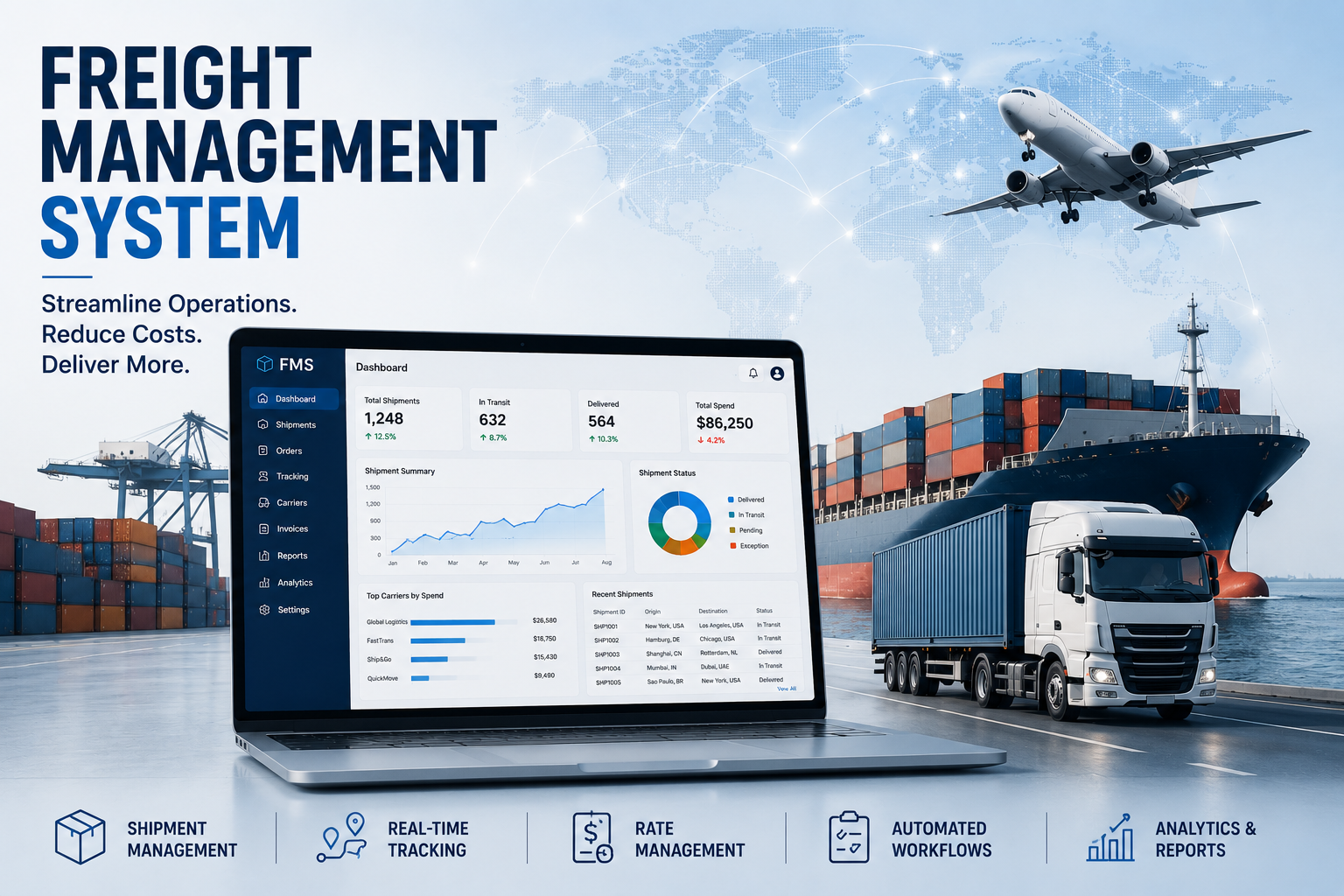
Table of Contents
1. Where exactly do manual freight systems start breaking down?
When your UAE-based business is small, you can still rely on manual software to manage your logistics. But the moment delivery volume increases, it will fail, especially given how competitive the GCC trade corridor is. Whether it’s to track the shipments or coordinate deliveries, things will become too challenging.
Over time, these will create numerous problems, including:
- Delayed shipment updates
- Communication gaps due to prominent silos
- Billing errors
- Routing inefficiencies
- Slow issue resolution
2. Where does the automated freight management sit in all these?
Now comes the automated freight management system, a revolutionary product that will help you streamline your logistics operations effortlessly. However, before you invest in it, let us give you a walkthrough of the benefits it will bring for your business.
Real-time shipment visibility changes everything
You no longer have to depend on manual communication channels to get updates on a shipment or a delivery. The FMS will give you real-time updates once you get the configurations correct. In fact, you can also set automated reminders or notifications. Suppose a shipment from Dubai got stuck midway. Rather than calling the merchant or waiting for updates, you can quickly check the status on FMS. This way, your team can:
- Identify if there’s an issue and resolve it accordingly
- Adjust the delivery planning immediately
- Notify the customers whose orders are dependent on the shipment yet to be received
Thanks to such an excellent visibility level, you can cut down the risks that operational delusion often introduces. Besides, you can also improve delivery coordination across all verticals— carriers, warehouses, and customer support teams.
Smarter route optimization for faster deliveries
You no longer have to bear the pain of manually planning all the delivery routes across the GCC region with an FMS. That’s because the software uses real-time operational data to ensure every route is optimized to help you meet the timeline. It doesn’t follow any type of fixed transportation channel.
Rather, it analyzes traffic conditions, delivery schedules, shipment priority, and fleet availability, all at the same time. The result? You can reduce fuel consumption and avoid delays like never before. What’s more, you can also improve delivery timelines without relying on manual decision-making.
Costly human error elimination from freight operations
From invoice processing to shipment scheduling and dispatch coordination, almost 80% operations of a logistic business are repetitive. As your team continues to perform these tasks manually, errors are likely to happen. Most often, these mistakes remain hidden till you see revenue leakage, dropping customers, or abandoned carts.
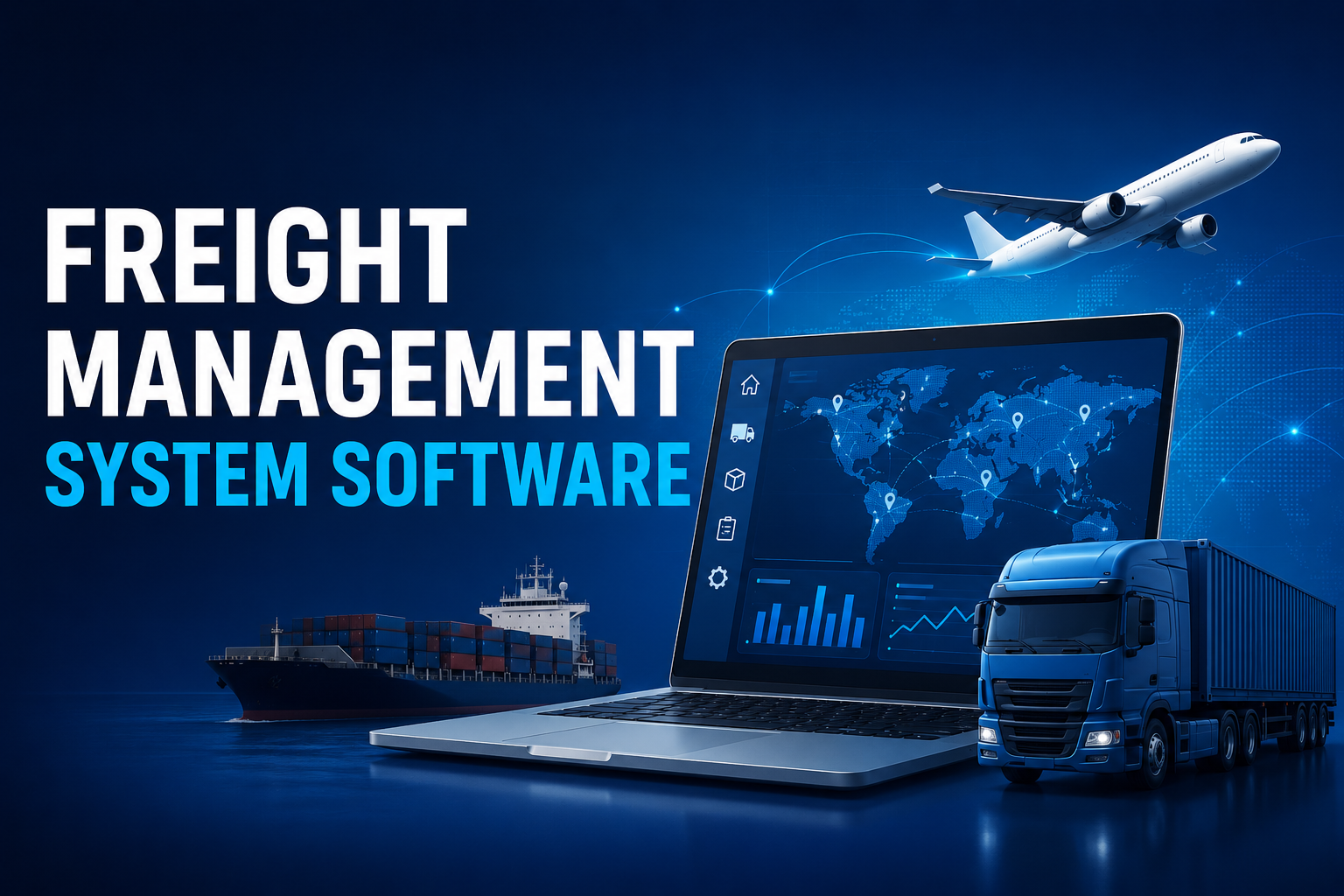
Now, with an automated freight management system software, you can minimize these risks dramatically. That’s because it allows you to sync shipment information across all the active logistics workflows in the UAE. In other words, freight records, invoices, delivery schedules, and tracking data will remain intertwined in real time.
Stronger carrier management through a centralized portal
The moment you start working with multiple carriers, tracking the delivery performance regularly will be next to impossible. In fact, you will struggle with identifying which partner is reliable, cost-effective, and consistent. It’s mainly because fragmented data can never offer the visibility you need to make such a turning decision for your logistics business.
That’s why you should invest in the best freight management software as it will help you compare:
- Delivery timelines for different carriers
- Freight costs charged for every delivery or shipment
- Route efficiency based on the speed
- Shipment success rate
So, when one carrier makes delayed deliveries in the GCC repeatedly, you can easily pull in these datasets. Then at least, identifying the pattern will become easier for you.
Logistics operation scalability with no chaos
Once your business starts growing, complexities with the freight workflows will multiply. The more shipments you receive, the better the coordination between your teams should be. An automated FMS here acts as your savior. It will help scale the operations without increasing logistics complexity at any phase.
Let’s assume you plan to expand to three new cities. This will automatically mean the shipment volume will go from 10 to 100 in no time. The FMS will help you with centralized automation to ensure everyone stays updated across all the locations.
3. Conclusion
With automated freight management system, you no longer have to worry about going through the pain of slow, fragmented, and manually coordinated operations. After all, this single software will help gain shipment visibility, optimize transportation planning, and reduce errors. So, as your delivery expectations increase, it’s time you collaborate with a credible execution partner, like Bytelogic Technologies. They will help you upgrade to automated FMS and make your logistics business faster, smarter, and scalable in the UAE.